To what extent are patterns of genetic diversity at individual loci associated with local adaptation? To begin to address this question, we performed simulations utilizing our inferred demographic model to generate expectations for individual loci under neutrality. For these initial tests, we selected FST as a measure because 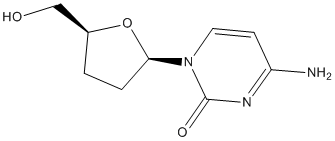 of its long history as an informative metric of local adaptation. We first used the five demographic models inferred from the pairwise interpopulation comparisons to generate neutral distributions of expected FST for silent sites and for all sites. For each locus and model, we calculated FST from 10,000 single locus coalescent simulations drawn from our estimated posterior distributions. All simulations used the relevant length and observed hw for each locus. We present here two significant advances towards understanding Chloroquine Phosphate sequence diversity in natural plant populations. The first is simply a much larger data set than in most LOUREIRIN-B studies of sequence diversity of natural plant populations, including explicit and extensive sampling both within and among populations. Second, we used demographic modeling, which, to date, has mostly focused on humans and Drosophila. Explicit modeling of natural population history remains rare in studies of flowering plants, though it has been applied to studies of cultivated plants and to a lesser extent, conifers. Our efforts permit parameter estimation for biologically meaningful demographic models and provide a direct measure of our confidence in the model and its relevance to our data. Our results build on previous work that documents high differentiation among A. lyrata populations, and points to central European populations as a center of diversity for A. lyrata ssp. petraea. Other studies have further argued that central European populations may have served as refugia from which Northern Europe was re-colonized after glacial cycles during the Pleistocene, and even specifically hypothesized that the Icelandic population of A. lyrata ssp. petraea and North American populations of A. lyrata ssp. lyrata were colonized from Europe. Our results broadly concur with these ideas. Relative to the Central European population surveyed here, other populations reveal the hallmarks of population bottlenecks: lower diversity, loss of singleton and low frequency variants, higher LD and lower estimated.
Providing opportunities for comparative studies of the consequences of differences in breeding system
Leave a reply
 micrometastases was not biased by intravascular delivery of tumor cells, we characterized a syngeneic model of spontaneous brain metastasis. Brain sections were examined for spontaneous micrometastases 5�C7 weeks after orthotopic injection of 4T1-GFP cells into the mammary fat pad. The growth and morphological characteristics of these colonies were indistinguishable from those derived from intracardiac delivery of cells demonstrating both intact GLUT-1positive vasculature and angiotropic spread upon adjacent capillaries. To assess the clinical relevance of frequent vascular cooption in experimental metastasis, we asked whether tumor cells within human brain metastasis specimens displayed a similar vascular association. In brain micrometastases and tumors with carcinomatous CNS spread that could be considered at the early stages of parenchymal colonization, the patterns were similar to those in the experimental models above, with the tumor cells in these brain metastases appearing to track along the blood vessels. Quantitation of vascular cooption in these cases from primary tumors of
 Figure 1A, GFP-labeled mutant httex1, containing an expanded polyglutamine repeat associated with juvenile HD onset, rapidly formed cytoplasmic and perinuclear aggregates in ST14A cells after 48 hours, whereas httex1 containing a non-amyloidogenic polyglutamine repeat remained completely diffuse.
 of the DNA content and recognition by automated algorithms for cell screening and tracking. We used 3 criteria to validate that the isolation procedure did not adversely affect the cardiomyocytes, indicati that the drug-isolated cardiomyocytes were physiologically normal. We describe single cell cloning and drug selection procedures methods and a suite of lentiviral vectors to engineer hESC lines for visualization, tracking and purification of pluripotent stem cells and their differentiated cardiomyocyte derivatives. These methods overcome variegation and downregulation of fluorescent reporters and other markers observed without enrichment. The FACS and cloning protocols yielded homogeneous levels of fluorescent reporter protein expression sufficient for automated tracking and quantitative analyses, such as biosensors of DNA content, and the protocols and vectors could be broadly applied to biosensors of subcellular structures or signal transduction pathways as well as improving the identification of hESC derivatives after engraftment in animal models of disease or regeneration. Although the experiments shown were performed using H9 cells, similar outcomes were obtained with the PGKH2B fluorescent protein vectors, Rex- and aMHC-driven fluorescent and selectable markers using HUES13 and human induced pluripotent stem cells derived in our laboratory. Dual cassette lentiviral vectors were developed to enable drug selection of pluripotent stem cells with G418 or Blasticidin and cardiomyocytes with Puromycin. The two-stage selection procedure first eliminated feeder and
 the functional role of chemical modifications involved in oligomerization and to predict homo-oligomerization in other membrane proteins. Here we present a new covalent homooligomerization mechanism in a member of the SLC30A family of zinc transporters that depends on redox-regulated covalent tyrosine dimerization. Homo-oligomerization of membrane proteins occurs through non-covalent and covalent interactions, primarily within transmembrane domains. These interactions rely on glycine, leucine or cysteine residues. Among the non-covalent interactions, the most common involve GxxxG and GxxxG-like domains such as those found in glycophorin A, membrane transporters, and receptors. On the other hand, covalent oligomers are mostly mediated by disulfide bonds, like those in cell adhesion molecules and signaling receptors. A far less explored covalent oligomerization mechanism is that dependent on dityrosine bond formation. Dityrosine bonds are present in a limited group of structural proteins of the bacteria cell wall, invertebrate connective tissue, and in proteins of the vertebrate extracellular matrix. Dityrosine bonds have been found in only one membrane protein, the angiotensin II AT2 receptor. Dityrosine bond formation increases with aging, cellular stress, UV and c irradiation and disease. Increased levels of dityrosine modified proteins have been found in lesions such as atheromatous plates and cataracts ; in pathological processes such as acute inflammation and systemic bacterial infection. Recently dityrosine bonds have been associated with a-synuclein fibrillogenesis and Ab amyloid oligomerization. In all these cases dityrosine bonds are thought to represent the cumulative damage of a protein or to regulate protein function by either decreasing the solubility of secreted proteins or increasing oligomer resilience to mechanical stress.